
Bowling is a much-loved sport. But do you know how long a bowling ball lasts? It depends! It depends on what kind of ball and how it’s maintained.
Reactive bowling balls need special care to keep their hook potential. If you maintain them well, they can last 100 to 300 games.
Maintenance is key for a long-lasting ball. Clean the surface often and resurface when needed.
No bowling ball lasts forever. Over time, its coverstock wears down or loses its responsiveness. When this happens, it’s time to buy a new one.
Table of Contents
Understanding the Lifespan of a Bowling Ball
How long will a bowling ball last? Let’s discover the answer to this intriguing question.
A range of factors influence the lifespan of a bowling ball; type, use, lane conditions, and maintenance. Each has its own unique characteristics.
Let’s look at the impact of these factors:
| Factors | Impact on Lifespan |
|---|---|
| Type of Ball | Reactive balls wear out faster. |
| Frequency of Use | Heavy use may cause damage. |
| Lane Conditions | Oil patterns and lane surfaces affect durability. |
| Maintenance | Cleaning and resurfacing help preserve condition. |
Reactive balls typically have a shorter lifespan compared to plastic or urethane balls. This is because they absorb oil from the lanes. Bowlers who participate in tournaments or leagues may need to replace their reactive balls more often.
High usage can reduce a ball’s life. It’s important to be aware of how often you bowl. Regular maintenance such as cleaning after each session will help extend its life.
Did you know? Ancient Egyptians played a form of bowling over 5,000 years ago! Archaeologists have found evidence in old tombs.
Factors Affecting the Longevity of a Bowling Ball
Factors Influencing the Lifespan of a Bowling Ball
A number of factors can have an impact on the longevity of a bowling ball. These factors can determine how long the ball will perform at its optimal level and remain useful for a bowler. It is essential to understand these factors in order to maximize the lifespan of a bowling ball.
To provide a comprehensive understanding, let us delve into the various aspects that influence the lifespan of a bowling ball:
- Ball Material: The material of the bowling ball plays a crucial role in determining its durability. Different materials, such as polyester, urethane, and reactive resin, have varying levels of longevity. Reactive resin balls, for instance, are typically more responsive but tend to wear out faster compared to polyester balls.
- Lane Conditions: The playing surface or lane conditions can significantly impact a ball’s lifespan. The amount and type of oil on the lanes can affect the ball’s performance, leading to accelerated wear and tear. Heavy oil conditions can cause the ball to absorb oil, resulting in a decrease in its overall hook potential.
- Ball Maintenance: Regular maintenance is vital to prolonging the life of a bowling ball. Proper cleaning, polishing, and resurfacing can help maintain the ball’s performance characteristics. Neglecting regular maintenance can cause the ball to lose its hooking power and effectiveness over time.
- Frequency of Use: The frequency at which a bowling ball is used can also impact its lifespan. Constant and consistent use can lead to wear and tear, causing the ball to lose its original performance characteristics. Additionally, factors such as the amount of force applied during bowling and the bowler’s technique can influence the lifespan of the ball.
By considering these factors, bowlers can enhance the longevity of their bowling balls and ensure optimal performance over an extended period. Here are some valuable suggestions to prolong the lifespan of a bowling ball:
- Clean the ball regularly with an approved cleaning agent to remove oil and dirt buildup from the surface. This helps maintain the ball’s original performance and prevent damage.
- Avoid exposing the ball to extreme temperatures, as this can affect the ball’s core and outer shell, leading to premature degradation.
- Store the ball in a cool and dry environment, away from direct sunlight and excessive humidity. This helps prevent the ball from warping or cracking.
- Consider having a professional resurface the ball periodically to restore its original surface texture and enhance its performance.
By adhering to these suggestions, bowlers can ensure that their bowling balls last longer, perform better, and provide consistent results on the lanes. Understanding and implementing these measures will lead to an enhanced bowling experience and cost-effectiveness in the long run.
Material and Construction
Material and construction make a big difference in how long a bowling ball lasts. Materials and the way it is put together affect its performance, durability, and life. Let’s check out these aspects that affect its longevity. Look at this table:
| Material | Construction Technique | Effect on Longevity |
|---|---|---|
| Reactive Resin | Solid Core | Gives great hook potential and more power. May wear out faster with use. |
| Urethane | Symmetrical Core | Gives balance of control and power. Longer life when taken care of. |
| Polyester | Pancake Core | Goes in a straight line and is durable. Less likely to crack or chip. |
Besides these, there are other things to make the ball last. Proper maintenance like cleaning, polishing, and resurfacing keeps it working well and reduces wear. Keeping the ball away from extremes of temperature and humidity also helps it.
How you store the ball is important too. Keep it in a cool, dry place and use a protective bag or case when you move it.
To get the most life out of your ball, stay up to date on materials and construction techniques by reading industry publications, or talking to professionals.
Frequency of Use
Using a bowling ball often can have an effect on its life. Let’s take a look at how use affects its lifespan.
To learn about the impact of how much it’s used, let’s look at some data. Here’s a table that shows the average lifespan of bowling balls depending on how much it’s used:
| Usage Frequency | Lifespan (in years) |
|---|---|
| Occasional | 5 |
| Moderate | 3 |
| Heavy | 2 |
It’s clear that the more it’s used, the shorter its lifespan. This is because the surface and core parts wear down. So, to make it last longer, use it less or switch between different balls.
Also, more use means more scratches and cracks in the outer surface. This can change its performance and direction on the lane. To prevent this, do regular maintenance like cleaning and resurfacing.
Lane Conditions
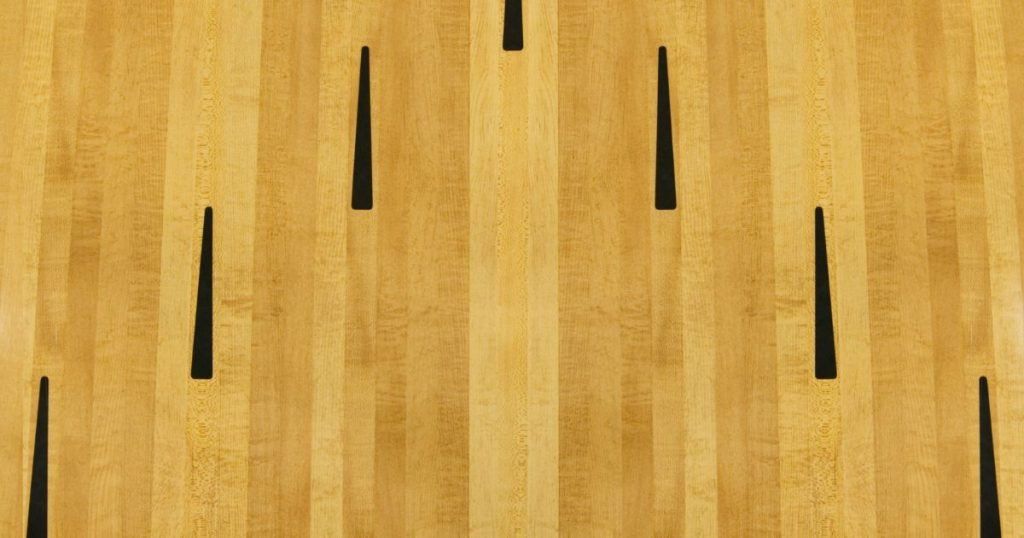
The distribution and volume of oil on the lane, as well as the hardness of the material used to create it, can affect ball motion and friction. The flatness or contours of the lane can also bring variability. Keeping the lane clean prevents debris from impacting ball roll.
These factors create unique lane conditions that challenge bowlers and their equipment. Bowlers need to understand how each factor impacts ball behavior to make adjustments during play.
USBC research discovered that excessive oil depletion on certain areas causes bowling balls to degrade faster. This shows why maintaining oil patterns is critical to a bowling ball’s longevity.
Signs of Wear and Tear
Signs of Wear and Tear:
A bowling ball’s lifespan can be determined by its Signs of Wear and Tear. Here are three key indicators of deterioration in bowling balls:
- Surface Scratches: Over time, the ball’s surface may develop visible scratches. These marks are signs of wear and can affect the ball’s performance, causing it to lose traction on the lane.
- Fading Colors: As a bowling ball ages, its color may fade or become dull. This can be an indication of the ball’s outer layer deteriorating, which can impact its hook potential and overall performance.
- Cracks or Dents: Any visible cracks or dents in the bowling ball can be a serious sign of wear and tear. These damages can weaken the structure of the ball, leading to a decrease in its durability and performance.
Additionally, it is important to note that the signs mentioned above are not exhaustive. Other factors like the frequency of use, maintenance, and the type of lane surface can also contribute to a bowling ball’s deterioration.
To ensure the longevity of your bowling ball and maintain optimal performance, it is recommended to regularly inspect and clean your ball after each use. By taking proper care and addressing signs of wear and tear promptly, you can maximize the lifespan of your bowling ball and enjoy consistent and reliable results.
Don’t miss out on the opportunity to prolong the life of your bowling ball and enhance your performance on the lanes. Stay vigilant, keep an eye out for signs of wear and tear, and take proactive measures to address them. By doing so, you can ensure that your bowling ball remains in top condition, allowing you to perform at your best and enjoy the game to the fullest.
Surface Damage
Surface damage can occur in various ways. Abrasion is when friction wears down material. Impact damage is from forceful collisions or blows. Chemical corrosion is from harsh substances. Weathering happens naturally over time. Improper handling can cause deformation or fatigue.
Different materials experience different levels of damage. For example, metals may rust when exposed to moisture and wood may crack due to changes in humidity. UV radiation, pollutants, and inadequate maintenance will worsen the damage. Mitigation measures can help reduce wear and tear.
Cracks or Chips
Cracks or chips on surfaces can be a sign of wear and tear. Let’s look deeper to understand this better.
Here is a table to help visualize the characteristics of different types of cracks or chips:
| Type | Description |
|---|---|
| Hairline | Thin, shallow lines on the surface |
| Spiderweb | Lots of small cracks radiating outward |
| Fracture | Deep, wide cracks with sharp edges |
| Chip | Pieces broken off the surface |
We need to know the causes of cracks or chips. These can be physical impact, age, environmental factors, or improper maintenance.
Don’t ignore any signs of cracks or chips. This can cause more serious issues like structural instability, water leakage, or complete failure.
If you see cracks or chips, act right away. Get professionals to do repairs or replacements to maintain safety and the appearance of your surroundings.
Changing Ball Reaction
Bowling dynamics involve ball reactions. This is key to performance and game outcome. To understand the reaction, you must consider various factors. Such as: oil patterns, ball speed, rev rate, ball surface, and pin placement.
These subtleties affect the dynamic nature of bowling. Lane conditions, skill levels, and advancements in tech/materials all play a role.
Maintaining and Extending the Lifespan of a Bowling Ball
Maintaining and Extending the Lifespan of a Bowling Ball
To ensure the longevity of your bowling ball, it is essential to implement proper maintenance techniques. By following these practices, you can prolong the lifespan of your bowling ball and maximize its performance.
- Regular cleaning: Cleaning your bowling ball after each use is crucial in maintaining its lifespan. Use a mild cleaner specifically designed for bowling balls and wipe it down thoroughly to remove any debris or oil buildup.
- Avoid extreme temperatures: Extreme heat or cold can have a detrimental effect on your bowling ball. Store it in a cool, dry place, and avoid exposing it to direct sunlight or harsh temperatures.
- Resurfacing and polishing: Over time, the surface of your bowling ball may become worn or dull. Regular resurfacing and polishing can restore its original hook potential and ensure optimal performance on the lanes.
Additionally, it is important to note that the lifespan of a bowling ball can vary depending on factors such as frequency of use, lane conditions, and the type of ball. Each ball has a limited number of games before it starts losing its effectiveness. Therefore, it is crucial to monitor its performance and consider replacing it when necessary.
Remember, the key to extending the lifespan of your bowling ball lies in proper maintenance, regular cleaning, and knowing when it’s time for a replacement. By following these guidelines, you can ensure the longevity and high performance of your bowling ball for years to come.
Cleaning and Polishing
Clean your bowling ball with a specially designed cleaner. Avoid regular household products, as these can harm the coverstock. Rub gently with a microfiber cloth or sponge – paying extra attention to the finger holes and track area. Rinse thoroughly with warm water.
To restore the shine, use a bit of bowling ball polish and buff the surface in a circular motion. Wipe off any extra and allow to air dry. Store in a breathable bag to avoid mold or mildew buildup.
Remember, regular cleaning and polishing not only prolong the life of your ball but also improve your performance. Other details you may want to consider are investing in a reviver pad for reactive resin balls and a quality microfiber towel for drying and polishing.
Treating Surface Scratches
Scratches on a bowling ball can mess up its performance. Have no fear! Here’s a five-step guide to tackling those scratches and making your ball last longer.
- Check the Damage: Inspect the ball closely to spot any scratches. Make sure you have good lighting to measure the depth and seriousness of them.
- Clean and Dry: Use a mild cleaner made for this purpose to wash the ball. Gently scrub the scratched parts with a soft cloth or sponge to get rid of dirt. Make sure the ball is completely dry when you’re done.
- Apply Polish: Put a small amount of high-quality polish on the scratched areas. Rub in circles, buffing out the scratches. Be gentle, or you could cause more damage.
- Wipe Down: Use a clean microfiber cloth to remove any extra polish or debris after polishing. This helps make the ball smooth and shiny while performing well on the lanes.
- Store It: Pick up a bag or case made for storing the ball. It’ll keep it safe when not in use, and make it last longer.
Remember: regular maintenance makes your ball last and perform better.
Pro Tip: Avoid hard surfaces and abrasive stuff when playing to lessen surface damage.
Storing Properly
Storing a bowling ball right is essential for its endurance. Here are 4 key points to guarantee correct storage:
- Keep the bowling ball in a cool and dry place. This stops harm from temperature or humidity changes.
- Avoid exposing the ball to direct sunlight or intense heat. This could cause the coverstock to warp or crack.
- Store away from sharp objects or heavy stuff that could dent or scratch it.
- Get a bowling ball bag or case for extra protection when transporting or storing.
To make your bowling ball last longer, consider these details:
- Regularly clean with approved cleaners to remove oil buildup and maintain performance.
- Rotate finger holes often to lower wear and tear on certain areas.
- If you won’t use the ball for a long time, take out fingerhole inserts to reduce stress on the material.
- Seek help if you see damage or changes in performance. They may give advice on repairs or replacements.
In earlier times, bowlers would not think about storing bowling balls. They’d leave them exposed to the elements without considering the results. It was only when bowlers saw deterioration and reduced performance that they started looking into storage methods.
Now, we know the significance of storing a bowling ball properly to keep it in good condition for many years of fun gameplay.
When to Replace a Bowling Ball
When it comes to replacing a bowling ball, there are key factors to consider. Here are five pointers to help you decide if it’s time:
- Check your ball for any cracks or damage. If you find any, a replacement is needed.
- Pay attention to how it performs on the lanes. If you notice a drop in hook potential or effectiveness, upgrade.
- Over time, bowling balls can wear out due to friction and impact. If you’ve used it heavily for many years, consider a new one.
- If you’ve changed your weight or grip preferences, your old ball may no longer suit you. Get a properly fitting and comfortable one for optimal performance.
- Bowling ball technology is always improving. Check out newer balls with improved features.
Plus, individual preferences come into play. Some bowlers replace their ball often, while others keep theirs for longer. For help deciding, consult an experienced pro shop operator who can assess your ball and provide personalized advice.
Conclusion
Bowling is timeless. So, how long can a bowling ball last? Here’s what you need to know.
A bowling ball may last for 5-10 years, depending on its maintenance, use, and type. To keep it in good shape, clean, polish, and extract oil regularly. Reactive resin balls wear out faster due to their high friction surfaces. For frequent bowlers, use multiple balls in rotation for longer periods of rest. Examine the ball for cracks or chips. These signs mean it’s time to retire.
In addition, every throw wears down the surface of the ball, so it needs special cleaning. And, if used in heavy oil conditions, the ball may degrade faster.
To extend its lifespan, clean after each game, use protective gear, seek professional resurfacing, store in the right conditions, and consult with experts. Follow these steps for perfect performance and many enjoyable games!
Frequently Asked Questions
How long does a bowling ball last?
A bowling ball typically lasts for 5 to 10 years, depending on usage and maintenance. Regularly cleaning and resurfacing the ball can help prolong its lifespan.
Can a bowling ball wear out?
Yes, a bowling ball can wear out over time. Frequent use and friction with the lane surface can cause the ball’s coverstock to wear down, reducing its performance. Resurfacing or rejuvenating the ball can help restore its effectiveness.
How often should I clean my bowling ball?
It is recommended to clean your bowling ball after every session to maintain its performance. Dirt and oil can accumulate on the ball’s surface, affecting its hook potential. Regular cleaning helps remove these contaminants and keeps the ball in good condition.
Can I use household cleaners to clean my bowling ball?
No, using household cleaners can damage the ball’s surface. It is recommended to use specialized bowling ball cleaners or approved cleaning agents recommended by the manufacturer. These cleaners are designed to effectively clean the ball without causing any harm.
How long does a reactive bowling ball last?
A reactive bowling ball typically lasts for about 3 to 5 years, depending on usage and maintenance. The reactive coverstock tends to wear out faster compared to other types of coverstocks. Regular maintenance and resurfacing can help extend its lifespan.
When should I consider replacing my bowling ball?
You should consider replacing your bowling ball when you start experiencing a significant decrease in its hook potential or if it develops cracks or damage that cannot be repaired. If the ball no longer performs as desired, it may be time to invest in a new one.