
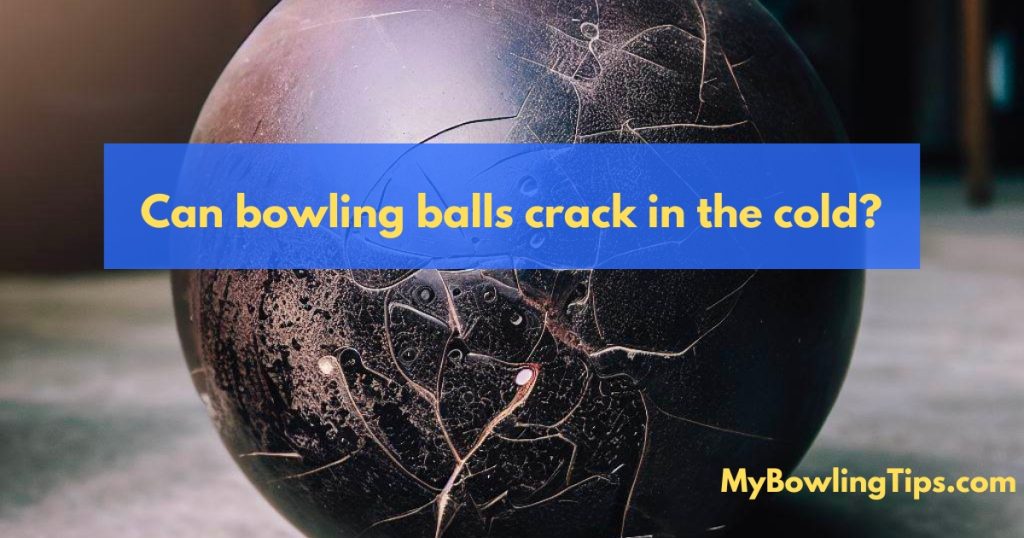
Bowling balls can crack when exposed to extreme cold. They’re made of tough materials like polyurethane or resin, but even these can become brittle in freezing temps. This is because when cold, the molecules in the material move slower, making it contract and rigid. Any impact or force can cause cracks.
Plus, when a cold ball hits a warm lane, the sudden temperature change creates extra stress. To avoid this, bowlers use warmers or store their balls at room temp beforehand. But, there have been cases of pros with cracked balls in icy venues, reminding us how important it is to account for the temp and protect our equipment!
Why worry about cracks in cold weather? Just blame your bad score on frostbite!
Table of Contents
Can bowling balls crack in the cold?
Bowling balls are vulnerable to cracking in cold weather due to their material composition. Cold causes the ball to contract, increasing the risk of cracks. Plus, rapid temperature changes can lead to cracks, too. So, proper care and storage during winter months is a must.
Reactive resin and urethane are prone to cracking in colder temps. These materials have a greater coefficient of thermal expansion, meaning they expand and contract more with temperature changes. In the cold, they contract, which can cause surface stress leading to cracks.
Also, quick temp changes can cause cracks in bowling balls. For instance, if a warm-stored ball is taken to a freezing alley – it could crack from the sudden contraction.
To prevent cracking, store bowling balls at room temperature and avoid extreme temp fluctuations. Use a ball towel or cover when not in use – it’ll provide an extra layer of insulation.
Pro Tip: Before using your bowling ball in the cold, place it near a heat source for a few minutes to warm it up. This little adjustment can reduce the risk of cracking and improve performance on icy lanes.
Can You Still Bowl with a Cracked Bowling Ball?
If your bowling ball has cracked due to extreme temperature changes, it may still be usable depending on the overall damage. A slight crack or a crack on the bridge can be repaired. However, if the crack goes around the circumference of the ball, it’s time to get a new bowling ball. If the core of your bowling ball has cracked or separated from the coverstock, you might not even notice the damage.
Some bowling balls may not hook as a result of a separated core, but often it will affect the ball’s performance very little. It’s possible to repair small cracks yourself using super glue, but if the crack has traveled into the finger holes, you will likely need your bowling ball to be plugged and the holes re-drilled. In any case, it’s always best to check with a bowling pro shop first as they are the professionals.
Factors that contribute to bowling balls cracking
Quality of the Material: The material used to make bowling balls matters. A well-made one from strong stuff won’t crack easily, unlike lower-quality ones.
Temperature Fluctuations: Rapid shifts in hot/cold temps can cause the ball to expand/contract, leading to cracks. Minimizing exposure to extreme temps can help.
Aging: Over time, even high-quality bowling balls may crack due to regular wear and tear. Impact with pins, lane friction, and general use weaken the ball’s structure, increasing the risk of cracks.
Ball Maintenance: Cleaning and polishing your bowling ball can help identify potential issues early on, such as hairline fractures which can lead to major cracks.
Impact Forces: Too much force from throws or dropping can contribute to cracks in the ball’s surface or core.
Bowling Alley Conditions: Uneven or poorly maintained lanes can cause more stress on the equipment, increasing the chance of cracking.
Humidity levels, storage practices, and the design/composition of the bowling ball also affect chances of cracking. Taking proper care of the equipment, such as storing in cool/dry places, using a ball that fits their skill level, and regular inspections by professionals, can help bowlers enjoy longer-lasting bowling balls.

Tips for preventing bowling balls from cracking in the cold
To dodge cracked bowling balls in cold temperatures, follow these steps:
| Step | Description |
|---|---|
| 1 | Store at room temp – not in a garage or car. |
| 2 | Warm up before playing. Use a ball spinner or dip in warm water. |
| 3 | Invest in a ball bag or case – for protection during transportation. |
| 4 | Handle with care – no dropping or banging them. |
| 5 | Inspect regularly – replace or fix if needed. |
Conclusion
Bowling balls can crack in cold weather. Three points sum it up:
- The materials used shrink in the cold, risking damage and poorer performance.
- Manufacturers suggest storing them at room temperature to avoid cracking.
- When bowling in cold conditions, warm the equipment gradually.
Also, don’t forget that too much heat can damage the balls too! To keep them in top shape, take good care of them.
Frequently Asked Questions
At what temperature can bowling balls crack?
Bowling balls can start cracking at temperatures below 40 degrees Fahrenheit (4 degrees Celsius). However, the risk of cracking significantly increases below freezing temperatures.
How can I protect my bowling ball from cracking in the cold?
To protect your bowling ball from cracking in the cold, avoid leaving it in a cold car or outside in freezing temperatures. Instead, store it in a temperature-controlled environment and allow it to acclimate to the temperature of the bowling alley before use.
Should I warm up my bowling ball before using it in the cold?
Yes, it is advisable to warm up your bowling ball before using it in the cold. You can do this by gently rolling it on the lane for a few minutes or using a ball warmer to gradually raise its temperature.
Are certain types of bowling balls more prone to cracking in the cold?
Certain types of bowling balls, such as those made of urethane or reactive resin, might be more susceptible to cracking in the cold compared to plastic balls. It is essential to take extra precautions with these types of balls in lower temperatures.
What signs should I look for to identify a cracked bowling ball?
Signs of a cracked bowling ball include visible cracks on the surface, a change in sound upon impact, or a noticeable decrease in ball performance. If you suspect your bowling ball is cracked, it is best to have it inspected by a professional to prevent further damage.
Is it OK to Leave a Bowling Ball in a Cold Car?
Leaving your bowling ball in the trunk of your car exposes it to temperature changes that can have a devastating effect on the ball. Cold temperatures can cause the bowling ball to harden and slide more. If the ball gets too cold, it can potentially cause permanent damage.